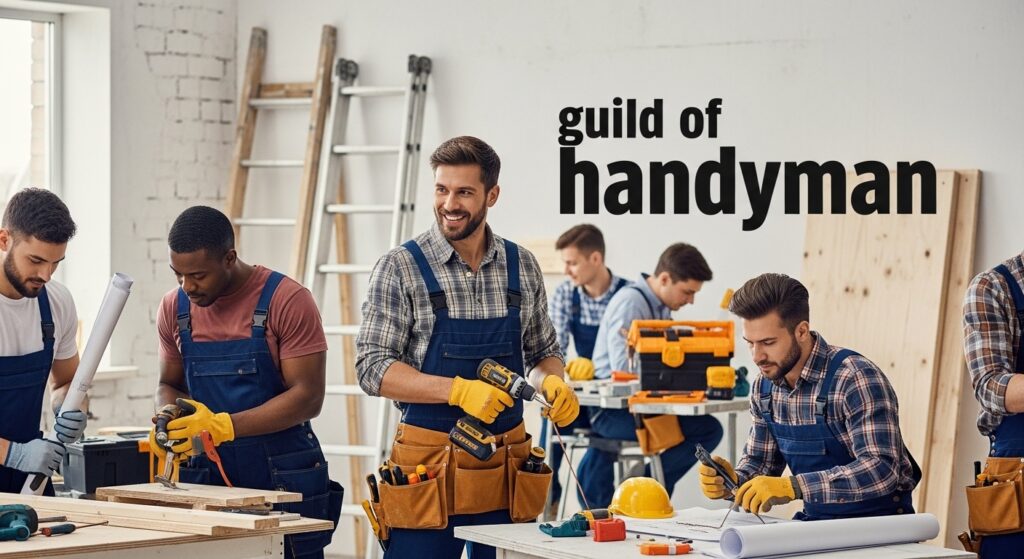
guild of handyman
Home repairs, renovations, and maintenance tasks are part of everyday life, yet finding reliable help can often feel uncertain. This is where the concept of a guild of handyman becomes valuable. A guild represents more than just a group of workers. It stands for skill, trust, shared knowledge, and professional standards that help both tradespeople and customers benefit from organized craftsmanship.
Across many regions, handyman guilds bring together professionals who specialize in services such as carpentry, plumbing, electrical work, painting, repairs, and general maintenance. These guilds help maintain quality standards, encourage proper training, and build trust between customers and service providers. For homeowners, hiring someone connected to a guild often means hiring someone who follows proven practices and values reputation.
This complete guide explores everything related to a guild of handyman, including how it works, the benefits of membership, the services offered, skill development, certification, pricing structures, and the future of handyman services. Whether you are a homeowner searching for dependable repair services or a skilled tradesperson considering joining a professional network, understanding the role of a handyman guild can help you make better decisions.
What Is a Guild of Handyman and How It Works
A guild of handyman is an organized association of skilled tradespeople who provide home improvement, repair, and maintenance services. Historically, guilds were formed to protect craftsmanship, regulate training, and maintain quality standards within trades. Today, handyman guilds continue this tradition by supporting professionals through shared resources, education, and industry standards.
Modern handyman guilds operate as structured organizations that connect independent contractors, small businesses, and skilled technicians. Members may specialize in specific areas such as carpentry, drywall installation, plumbing repair, furniture assembly, painting, or electrical maintenance. The guild provides a platform where professionals collaborate, share best practices, and learn new techniques that improve service quality.
Customers benefit significantly from guild-based services. Hiring a guild-affiliated handyman often ensures accountability, as guilds typically enforce codes of conduct, customer service standards, and ethical work practices. Many guilds also offer certification programs that verify skill levels, helping customers trust that their repairs or installations are handled professionally. This combination of skill recognition and professional support makes handyman guilds an important part of the modern home service industry.
History and Evolution of Handyman Guilds
The roots of handyman guilds trace back to medieval trade organizations where craftsmen joined together to protect their skills and livelihoods. These early guilds regulated who could practice a trade, ensured fair pricing, and trained apprentices in specialized skills. Carpentry, masonry, metalwork, and woodworking were among the earliest trades managed through guild systems.
Over time, industrialization transformed the nature of skilled labor. While factories changed production methods, residential maintenance and home repair continued to rely on individual craftsmanship. As urban populations grew, the demand for skilled repair workers increased, leading to the modern concept of handyman services. Guilds adapted by focusing more on training, networking, and quality control rather than controlling trade access.
Today, handyman guilds operate in both physical and digital spaces. Online platforms allow members to share knowledge, manage projects, and communicate with customers more efficiently. Modern guilds also provide training in new technologies such as smart home installations, energy-efficient repairs, and modern construction methods. This evolution reflects how traditional craftsmanship has successfully adapted to modern needs without losing its foundation of skill and trust.
Core Services Offered by a Guild of Handyman
Guild-affiliated handyman professionals provide a wide range of services that support homeowners, landlords, and businesses. These services often include routine maintenance, emergency repairs, and improvement projects that enhance property value and functionality.
Common handyman services include plumbing fixes such as repairing leaks, installing faucets, and unclogging drains. Electrical services may include installing light fixtures, replacing outlets, or troubleshooting minor wiring issues. Carpentry work is another major service area, covering tasks like repairing doors, installing shelves, or building custom furniture. Painting, drywall repair, and tile installation also fall under typical handyman responsibilities.
Below is a table showing typical handyman service categories and examples:
| Service Category | Common Tasks | Typical Tools Used |
|---|---|---|
| Plumbing | Leak repairs, faucet installation | Wrench sets, pipe cutters |
| Electrical | Light installation, outlet repair | Voltage testers, screwdrivers |
| Carpentry | Cabinet repairs, shelf installation | Saw, drill, measuring tools |
| Painting | Interior and exterior painting | Brushes, rollers, sprayers |
| Maintenance | Door repairs, fixture replacement | Multi-tools, fasteners |
These services demonstrate the versatility of handyman guild members. Customers benefit from having access to professionals who can handle multiple tasks efficiently, reducing the need to hire different specialists for small projects.
Benefits of Joining a Guild of Handyman
Joining a guild offers numerous advantages for professional handymen seeking career growth and industry recognition. One of the primary benefits is access to shared knowledge and training resources. Guilds often organize workshops, seminars, and skill development programs that help members stay updated with new tools and technologies.
Another important advantage is credibility. Membership in a recognized guild signals professionalism and commitment to quality work. Customers often feel more confident hiring a handyman who belongs to a structured organization. This increased trust can lead to more job opportunities and repeat clients.
Guild membership also supports networking. Professionals can collaborate on large projects, share referrals, and exchange advice on challenging repairs. This sense of community reduces professional isolation and helps members build long-term business relationships. Financial benefits may also exist, such as group discounts on tools, materials, and insurance coverage.
Skills Required to Become a Professional Handyman
A successful handyman must possess a diverse set of technical and practical skills. Unlike specialized trades, handyman work often involves handling multiple types of repairs and installations. This requires adaptability and strong problem-solving abilities.
Technical skills are essential. A professional handyman should understand basic plumbing systems, electrical circuits, carpentry techniques, and construction materials. Familiarity with measuring tools, power drills, saws, and safety equipment is equally important. Attention to detail ensures accuracy, especially when installing fixtures or repairing structural components.
Soft skills also play a major role. Communication skills help handymen understand customer requirements and explain repair processes clearly. Time management ensures projects are completed efficiently without delays. Customer service skills build trust and encourage positive reviews, which are valuable for business growth.
Key skills every handyman should develop include:
- Problem-solving ability
- Mechanical knowledge
- Safety awareness
- Communication skills
- Tool handling expertise
- Project planning ability
Developing these skills allows guild members to maintain high standards and deliver consistent service quality.
Training and Certification Programs in Handyman Guilds
Training and certification programs form the backbone of many handyman guilds. These programs help ensure that members meet established standards before offering services to customers. Certification often involves both theoretical learning and practical testing.
Training programs may cover areas such as electrical safety, plumbing installation techniques, carpentry methods, and workplace safety procedures. Some guilds also provide specialized courses for modern technologies like smart home device installation or energy-efficient construction practices.
Certification benefits both professionals and customers. For professionals, it validates their skills and increases credibility. For customers, it offers reassurance that work will be completed safely and correctly. Many guilds also require continuing education, encouraging members to stay updated with changing regulations and new industry techniques.
Tools and Equipment Commonly Used by Guild Members
The right tools are essential for efficient handyman work. Guild members often invest in high-quality equipment that allows them to complete tasks accurately and safely. Tools vary depending on specialization, but certain items remain essential across most projects.
Basic tools include hammers, screwdrivers, pliers, and measuring tapes. Power tools such as electric drills, circular saws, and sanders increase productivity and precision. Safety equipment like gloves, goggles, and helmets protects workers from injury during repairs or installations.
Here is a table highlighting common tools and their purposes:
| Tool Name | Primary Purpose | Importance Level |
|---|---|---|
| Power Drill | Drilling holes and driving screws | Essential |
| Measuring Tape | Accurate measurements | Essential |
| Level Tool | Ensuring straight alignment | High |
| Wrench Set | Plumbing and mechanical repairs | High |
| Safety Gear | Worker protection | Essential |
Investing in quality tools reduces work time and improves overall results. Guilds often provide guidance on selecting reliable equipment and maintaining tools for long-term use.
Pricing Models and Cost Structures in Handyman Services
Understanding pricing models is important for both customers and professionals. Handyman guild members typically follow structured pricing methods that ensure fairness and transparency.
Hourly rates are among the most common pricing methods. In this model, customers pay based on the time spent completing tasks. Flat-rate pricing is another option, often used for predictable jobs such as installing fixtures or repairing standard components. Some guilds also recommend package pricing for recurring maintenance services.
Factors that influence pricing include project complexity, required materials, labor time, and location. Emergency services usually cost more due to urgent response requirements. Guild guidelines often help standardize pricing, reducing confusion and preventing overcharging.
Transparent pricing builds trust. Customers appreciate knowing the expected cost before work begins, while professionals benefit from clear payment agreements that prevent disputes.
Quality Standards Maintained by Handyman Guilds
Maintaining consistent quality is one of the primary responsibilities of a handyman guild. Standards ensure that all members provide safe, reliable, and professional services to customers.
Guilds often establish guidelines covering workmanship quality, safety compliance, and customer service behavior. Members must follow these standards to remain in good standing. Regular inspections and peer reviews help maintain accountability among professionals.
Quality standards also include proper documentation of work, use of approved materials, and adherence to local building codes. These practices reduce the risk of faulty repairs and ensure long-lasting results. Customers benefit from peace of mind, knowing that guild members follow recognized industry practices.
Safety Practices Followed by Guild Members
Safety is a critical aspect of handyman work. Guild members are trained to follow strict safety protocols that protect both workers and clients. Proper safety measures reduce accidents and ensure projects are completed without unnecessary risks.
Common safety practices include wearing protective gear, inspecting tools before use, and securing work areas to prevent hazards. Electrical and plumbing tasks require special attention to avoid injuries or property damage. Many guilds require members to complete safety training before performing complex repairs.
Emergency preparedness is another important factor. Handymen should know how to respond to accidents or equipment failures. Clear communication with customers also improves safety, especially when working in residential environments.
Role of Technology in Modern Handyman Guilds
Technology has significantly improved how handyman guilds operate. Digital tools allow members to manage projects, communicate with clients, and track work progress more efficiently.
Scheduling software helps organize appointments and reduce missed deadlines. Mobile applications allow professionals to create invoices, share project updates, and receive payments electronically. These tools improve convenience for both customers and service providers.
Smart home technology has also created new opportunities. Many guild members now specialize in installing security systems, smart lighting, and automated devices. Training in these areas ensures that professionals remain competitive in an evolving market.
Marketing and Customer Acquisition Strategies
Effective marketing helps handyman guild members attract new clients and build strong reputations. Traditional methods such as word-of-mouth recommendations remain valuable, especially in local communities.
Digital marketing has become equally important. Websites, social media platforms, and online directories allow professionals to showcase their services and customer reviews. High-quality photos of completed projects help demonstrate skill and reliability.
Customer satisfaction plays a key role in marketing success. Positive reviews increase visibility and encourage repeat business. Guilds often provide branding guidelines that help members maintain consistent professional identities.
Challenges Faced by Handyman Guild Members
Despite the benefits of guild membership, professionals face several challenges. One major challenge is managing multiple tasks while maintaining quality standards. Handling diverse repairs requires flexibility and careful planning.
Another challenge involves staying updated with new tools and technologies. Continuous learning is necessary to remain competitive in the modern service industry. Financial management also presents difficulties, especially for independent contractors managing expenses and income.
Weather conditions, supply shortages, and unexpected project complications can further affect workflow. Guild support systems help members overcome these challenges by providing resources, training, and professional guidance.
Differences Between Independent Handymen and Guild Members
Independent handymen operate without formal association support, while guild members benefit from structured guidance and shared resources. Both approaches have advantages, but guild membership often provides additional credibility.
Independent professionals enjoy flexibility in pricing and scheduling. However, they may face challenges related to marketing, training, and networking. Guild members receive support through shared learning programs, referral systems, and certification opportunities.
The following table compares key differences:
| Feature | Independent Handyman | Guild Member |
|---|---|---|
| Training Access | Limited | Regular programs |
| Credibility | Depends on reputation | Verified through membership |
| Networking | Minimal | Strong professional network |
| Resource Sharing | Individual responsibility | Shared tools and knowledge |
These differences highlight how guild membership can enhance professional development and business growth.
Future Trends in the Guild of Handyman Industry
The handyman industry continues to evolve as technology and customer expectations change. Guilds are adapting by offering specialized training in emerging areas such as renewable energy installations and smart home maintenance.
Eco-friendly practices are gaining popularity. Customers increasingly request sustainable materials and energy-efficient solutions. Guild members who learn environmentally responsible techniques are likely to remain competitive in the future.
Remote consultation services are another growing trend. Video calls allow professionals to assess problems before visiting job sites. This improves efficiency and reduces travel time. As technology continues to advance, handyman guilds will likely integrate new tools that improve communication and project management.
Conclusion
A guild of handyman represents more than a collection of repair professionals. It reflects a system built on shared knowledge, consistent standards, and trust between service providers and customers. From training programs to safety guidelines, guilds help maintain professionalism across a wide range of maintenance and improvement tasks.
For professionals, joining a guild can open doors to new opportunities, stronger networks, and ongoing skill development. For customers, hiring guild-affiliated workers offers confidence in quality workmanship and reliable service. As the industry continues to grow and adapt, handyman guilds will remain a valuable foundation for skilled trades and home maintenance services.
Frequently Asked Questions (FAQs)
What does a guild of handyman do?
A guild of handyman organizes skilled professionals who provide repair, maintenance, and installation services. It sets quality standards, offers training programs, and supports networking among members.
Is joining a handyman guild necessary?
Joining a guild is not mandatory, but it provides benefits such as professional recognition, training opportunities, and increased customer trust.
How do customers benefit from hiring guild members?
Customers benefit from consistent service quality, verified skills, and professional accountability when hiring guild-affiliated handymen.
What services can a handyman guild provide?
Services typically include plumbing repairs, electrical installations, carpentry work, painting, furniture assembly, and general home maintenance.
Are handyman guild services expensive?
Costs vary depending on the type of work, required materials, and project complexity. Guild guidelines often promote transparent pricing structures.